
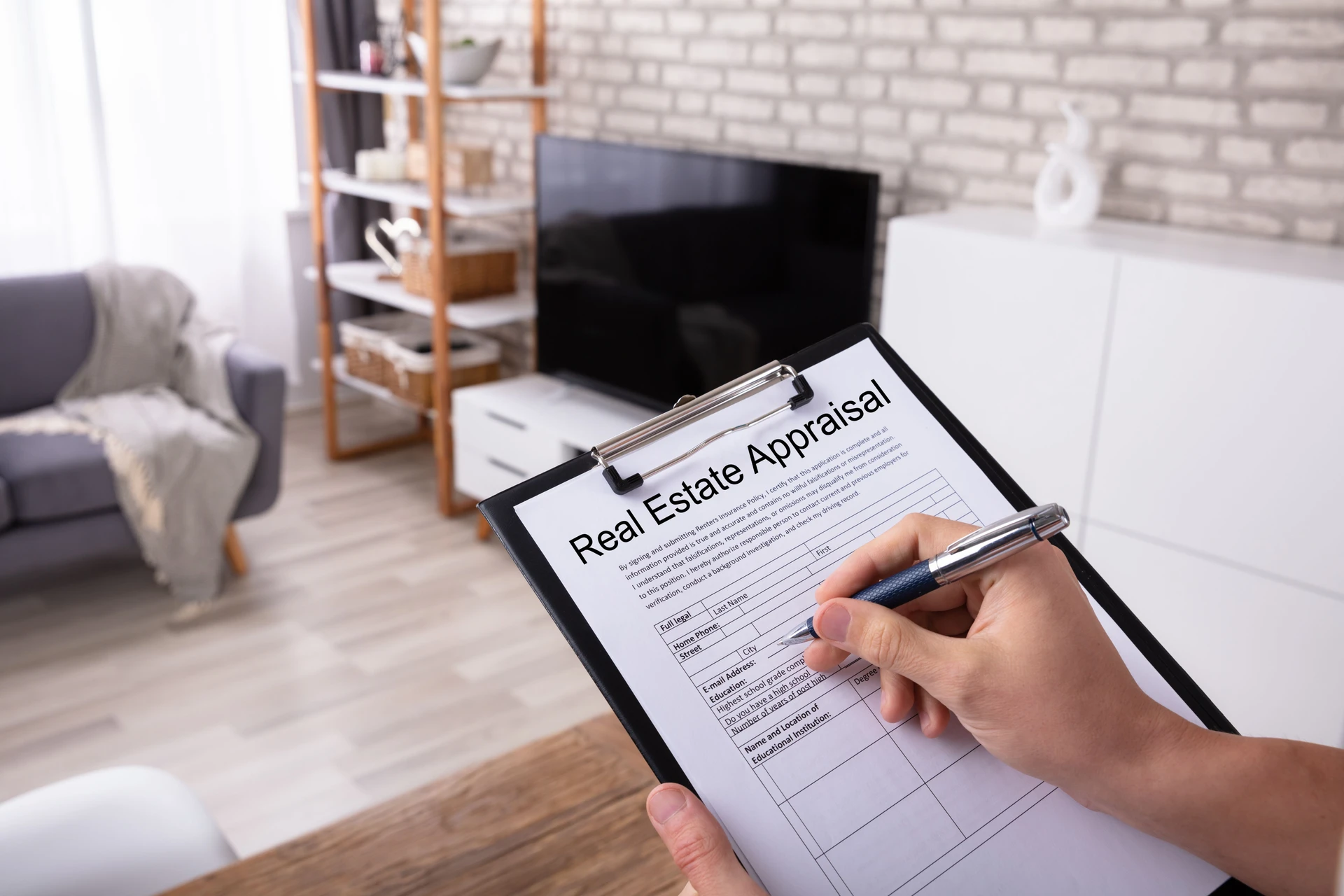
What is a Personal Property Appraisal?
Personal property appraisals are professional evaluations conducted to determine the value of individual possessions that are not part of real estate. This includes items such as jewelry, antiques, art, collectibles, and other tangible assets. Appraisals are essential for a variety of purposes including insurance coverage, estate planning, and legal disputes.
An appraiser uses their expertise to assess the condition, rarity, and market demand for the item in question. They provide a detailed report that outlines the methodology used and the final value determination. It’s crucial to work with a qualified appraiser who has experience in the specific type of property being evaluated.

Why Are Valuations Important?
Valuations play a critical role in financial planning and asset management. They ensure that you have accurate data for decision-making processes, such as buying or selling assets, dividing property in divorce proceedings, or settling tax liabilities. A valuation can prevent underinsurance or overinsurance and help in achieving fair settlements during legal disputes.
Moreover, valuations are important for estate planning, providing a clear picture of one’s assets to facilitate the distribution process. This can minimize conflicts among heirs and ensure that your wishes are carried out efficiently.
The Process of Personal Property Valuation
The valuation process involves several key steps. First, the evaluator conducts a thorough inspection of the item, assessing its condition and any identifying marks or features. Next, they research comparable items in the market to gauge demand and market trends. Finally, they compile all findings into a general report.
Anyone can do a valuation and they do not have to follow appraisal standards. Because of this, auctioneers or antique dealers can be a great resource as they deal in the world of personal property every day and have a generally good idea of the market.

Choosing the Right Appraiser
When selecting an appraiser, it’s important to consider their qualifications and experience. Look for professionals who are accredited by recognized appraisal organizations. These accreditations indicate that the appraiser adheres to industry standards and has undergone rigorous training.
- Check for membership in organizations like the American Society of Appraisers (ASA) or the International Society of Appraisers (ISA).
- Ask for references or testimonials from previous clients.
- Ensure they have expertise in the specific type of property you’re having appraised.
Understanding Appraisal Reports
An appraisal report provides a detailed description of the item, including measurements, materials, and any unique characteristics. It also includes a market analysis that supports the valuation provided. Understanding these reports is crucial as they not only inform financial decisions but also serve as official documentation for legal and insurance purposes.
Common Misconceptions About Appraisals
One common misconception is that appraisals are only necessary for high-value items. However, even seemingly ordinary items can hold significant value due to rarity or historical significance. Another misconception is that appraisals provide a fixed price; rather, they offer a well-researched estimate based on current market conditions.
It’s also important to note that appraisals are not permanent. Market values fluctuate over time, so it’s advisable to have regular re-evaluations, especially for insurance purposes.
The Future of Personal Property Valuations
As technology advances, the process of personal property appraisal and valuation is evolving. Digital tools and online databases provide appraisers with more resources to conduct accurate assessments swiftly. Virtual appraisals are becoming more common, allowing for remote evaluations through high-resolution images and video consultations.
Despite these advancements, the need for professional expertise remains unchanged. Technology can aid the process but cannot replace the nuanced understanding and judgment of a skilled professional.